Frederick has two permit counters, one of the largest historic districts in the country, and a life-science corridor with roofs that need specific membrane chemistry. It rewards knowing which of those you are in.
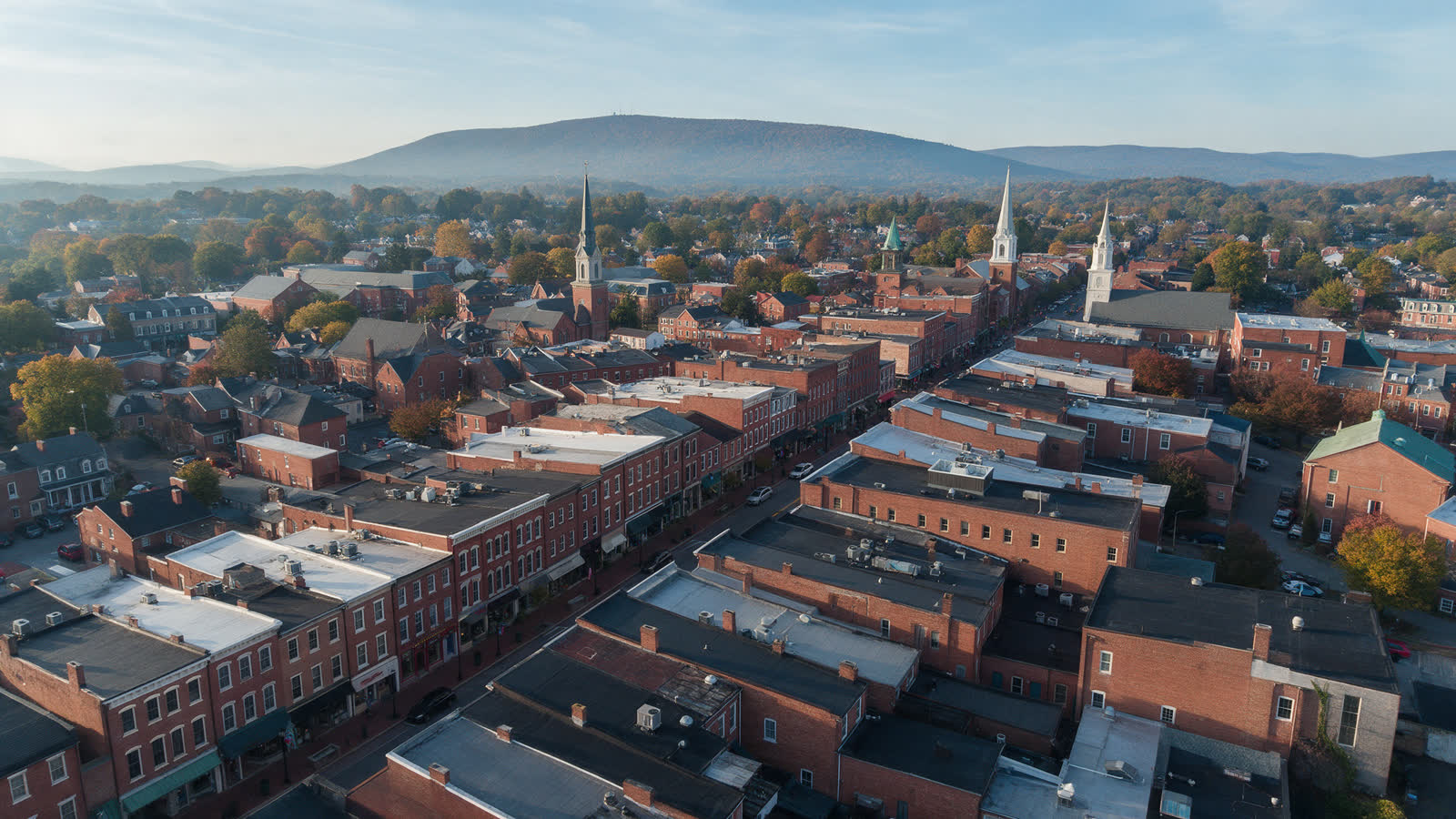
Downtown Frederick is a dense historic commercial core — small, complex, low-slope roofs behind parapets, often on buildings well over a century old, with layers of roofing history and neighbours a few feet away.
Along I-270 and the US-15 corridor the picture is entirely different: biotech and life-science facilities, light manufacturing, distribution and newer suburban office. Those buildings have process exhaust, tight environmental controls and interiors where a leak is not an inconvenience but a contamination event.
Permits & who issues them
Maryland has no single statewide permit office. Each county — and some municipalities — runs its own permit counter, fee schedule and inspection scheduling.
Commercial reroofing generally requires a permit from the county. Thresholds and whether a sealed drawing is needed vary by county and by scope, and a change of system or added insulation height is more likely to trigger review than a like-for-like replacement.
Pull it in the roofer's name. If a contractor asks you to take the permit out as the owner, they are moving liability for the work onto you. That is a reason to pick someone else.
The building code in force
Maryland sets a floor through the Maryland Building Performance Standards. The State adopted the 2021 IBC effective May 29, 2023, with local jurisdictions required to implement by May 29, 2024. Counties may adopt local amendments on top of that, and several do — which is why the specific county matters even though the base code is statewide.
You get two roofs, then you tear off
IBC §1511 prohibits a roof recover where the existing roof already has two or more applications of any roof covering. It also prohibits recovering when the existing roof is water-soaked or has deteriorated to the point that it is no longer an adequate base. In either case the code requires removal down to the deck. This is the single most common place a cheap bid quietly goes non-compliant.
Energy code drives the insulation, and the insulation drives the price
The DMV sits in climate zone 4. For low-slope roofs with insulation entirely above the deck, the IECC commercial table calls for roughly R-30 continuous. On an older building that was built with two inches of insulation, meeting that number is frequently the largest single line item in a replacement — and the reason a tear-off costs meaningfully more than the recover somebody quoted you.
Edges and corners are not the field
Wind uplift concentrates at perimeters and corners, and ASCE 7 requires tighter attachment in those zones. A bid that specifies one fastening pattern for the whole roof is either an oversight or a shortcut. Ask to see the zones called out.
Drainage is a code item, not a preference
Roofs need primary drainage plus a secondary (overflow) path sized so a blocked primary drain does not load the structure with standing water. On replacements we look at whether existing overflow scuppers are present and correctly set — on older DMV buildings they often are not.
Local rules that actually change the job
Two permitting authorities
The County's Division of Permits and Inspections handles unincorporated areas; the City of Frederick runs its own permitting for properties inside city limits, as do other municipalities in the county. Establishing which one you are under is the first question, not a detail — the process, fees and review timelines differ.
The Frederick historic district is large
Downtown Frederick's historic district covers a very substantial portion of the commercial core, and exterior work within it goes to Historic Preservation Commission review. Roofing that is visible, and anything touching parapets, cornices or roofline features, needs to be in that conversation early.
Life-science roofs are specialty roofs
Biotech and lab buildings run chemical and solvent exhaust, and they cannot tolerate water intrusion into controlled space. That drives three things: correct membrane chemistry for the exhaust, redundancy over critical areas, and a maintenance program with documented inspections rather than reactive repair. Treating one of these like a warehouse roof is how a small defect becomes a shutdown.
Weather window is shorter than in DC
Frederick sits higher and colder than the tidal DMV. The practical installation window for adhesive-dependent systems closes earlier in the fall and opens later in the spring. It matters when you are scheduling a tear-off.
Inspections
Counties typically inspect in progress and at completion, and several want to see the deck after tear-off. Inspection scheduling lead time is the most common cause of a roof sitting open longer than planned — we build it into the schedule instead of discovering it.
Deck inspection after tear-off, before anything covers it.
In-progress inspection of the assembly and attachment pattern.
Final inspection of the completed roof, flashings and drainage.
Manufacturer field inspection where an NDL or extended warranty is being issued — separate from the jurisdiction, and required for the warranty to activate.
What commercial roofing costs here
System
Installed cost / sq ft
Typical service life
Notes
TPO, mechanically attached
$9 – $16
20–30 yrs
Most common DMV replacement. Reflective, heat-welded seams.
TPO, fully adhered
$11 – $19
20–30 yrs
Quieter, better wind performance, no fastener pattern telegraphing.
EPDM, mechanically attached
$8.50 – $15
20–30 yrs
Proven on older stock. Black absorbs heat; ballast or white options exist.
EPDM, fully adhered
$10.50 – $18
25–30 yrs
Cleaner detailing around heavy penetration counts.
PVC single-ply
$11 – $19
20–30 yrs
Grease and chemical resistant — restaurants, kitchens, industrial exhaust.
Modified bitumen, 2-ply
$10 – $18
15–25 yrs
Tough underfoot. Good on small, complex, high-traffic roofs.
Built-up (BUR), 3–4 ply
$11 – $20
20–30 yrs
Rare as new work now; mostly repaired or overlaid.
Silicone restoration coating
$3.50 – $7
10–20 yrs
Only over a sound, dry substrate. Renewable warranty at end of term.
Metal retrofit / recover
$12 – $25
30–40 yrs
Wide range — standing seam over purlins vs. coating an existing panel roof.
How to read these. Ranges are DMV market pricing for planning and budgeting, not a quote. Real numbers move with deck condition, insulation required to hit code, access and staging, how much rooftop mechanical equipment has to be lifted and reset, and whether the work is phased around tenants.
Investigation, maintenance and the things that get discovered
Item
Typical range
Notes
Leak investigation and repair
$500 – $5,000
Most single-source leaks land in the low four figures. Chronic leaks need a survey, not a patch.
Infrared or moisture survey
$0.05 – $0.15 / sq ft
Maps wet insulation so you replace only the saturated area instead of the whole field.
Preventive maintenance program
$0.08 – $0.20 / sq ft / yr
Two inspections a year plus minor repairs. Usually required to keep an NDL warranty alive.
Tapered insulation for drainage
$2 – $5 / sq ft (added)
Where ponding has to be corrected rather than lived with.
Deck replacement
$6 – $14 / sq ft (added)
Only discovered once the old roof is off. Should be a unit price in your contract, not a change order fight.
How to read these. Ranges are DMV market pricing for planning and budgeting, not a quote. Real numbers move with deck condition, insulation required to hit code, access and staging, how much rooftop mechanical equipment has to be lifted and reset, and whether the work is phased around tenants.
Important things to know in Frederick County, Maryland
Confirm city versus county jurisdiction before anything else. It changes the permit path entirely.
On downtown buildings, party walls and shared parapets mean access negotiation with neighbours is part of the job. Start it early.
For lab and biotech buildings, ask the roofer what they will do about exhaust chemistry. If they have no answer, they will be installing the wrong membrane.
Older downtown roofs are frequently already at two layers. Budget for tear-off rather than hoping for a recover.
And everywhere in the DMV
Get the permit in the contractor's name. If a roofer asks you to pull it as the owner, they are moving liability onto you.
Ask for the unit price on wet insulation and deck replacement before the contract is signed. Those are the two things nobody can see until the roof is open, and they are where an honest job and a bad one diverge.
A manufacturer NDL warranty is issued to the building, not to the contractor — but it usually requires a certified installer and documented maintenance. Confirm both before you rely on it.
Photograph the roof before work starts, including the mechanical equipment. It settles most disputes about who damaged what.
Questions we get
Who issues my commercial roofing permit in Frederick?
It depends on whether the property is inside the City of Frederick or in the unincorporated county. The City runs its own permitting; the County's Division of Permits and Inspections handles the rest. Other municipalities in the county may also have their own.
Does downtown Frederick historic review apply to a flat roof?
If the work is visible from public space, or touches the parapet, cornice or roofline, yes. A membrane hidden entirely behind a parapet is a different conversation than edge metal and coping — which is why the scope needs settling before the application.
What membrane should a biotech building use?
It depends on what is being exhausted. Solvent and chemical exhaust rules out some membranes entirely and points toward PVC. The specification should follow the actual exhaust inventory, not a default.
What does commercial roofing cost in Frederick County?
Roughly $9 to $17 per square foot for most low-slope replacement. Small, constrained historic downtown roofs sit at the high end; larger corridor buildings at the low end.
Pick a time that suits you. We'll talk through the building, walk the roof, and send you a written condition report with photos and budget ranges for repair, restoration and replacement.
 MD
MD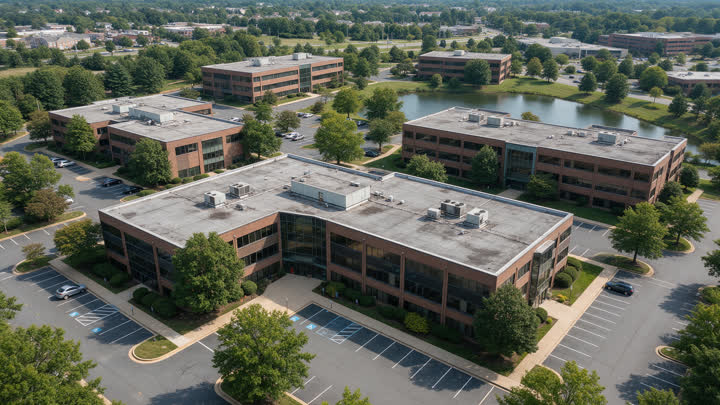 MD
MD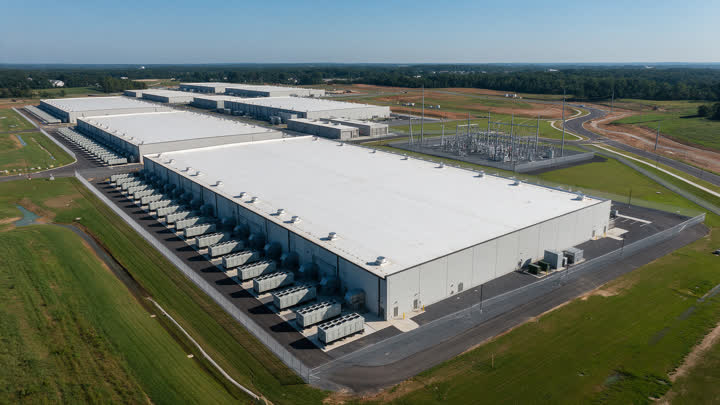 VA
VA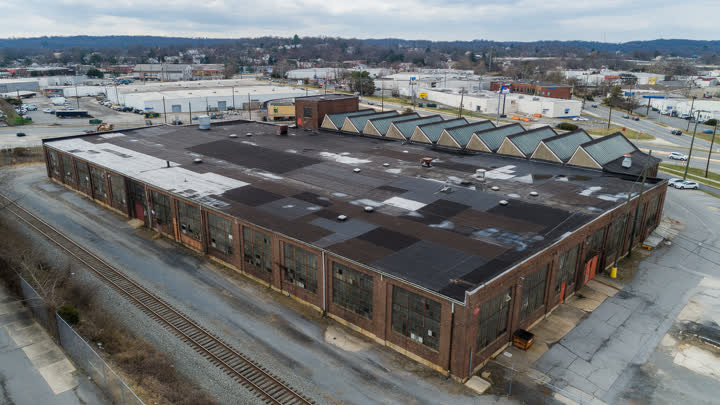 MD
MD